Data destruction.
The method matters.
A deleted file is not the same as sanitized media. Build the project around the storage technology, your information policy, and evidence of the outcome.
Acceptance, handling, and terms confirmed before scheduling.
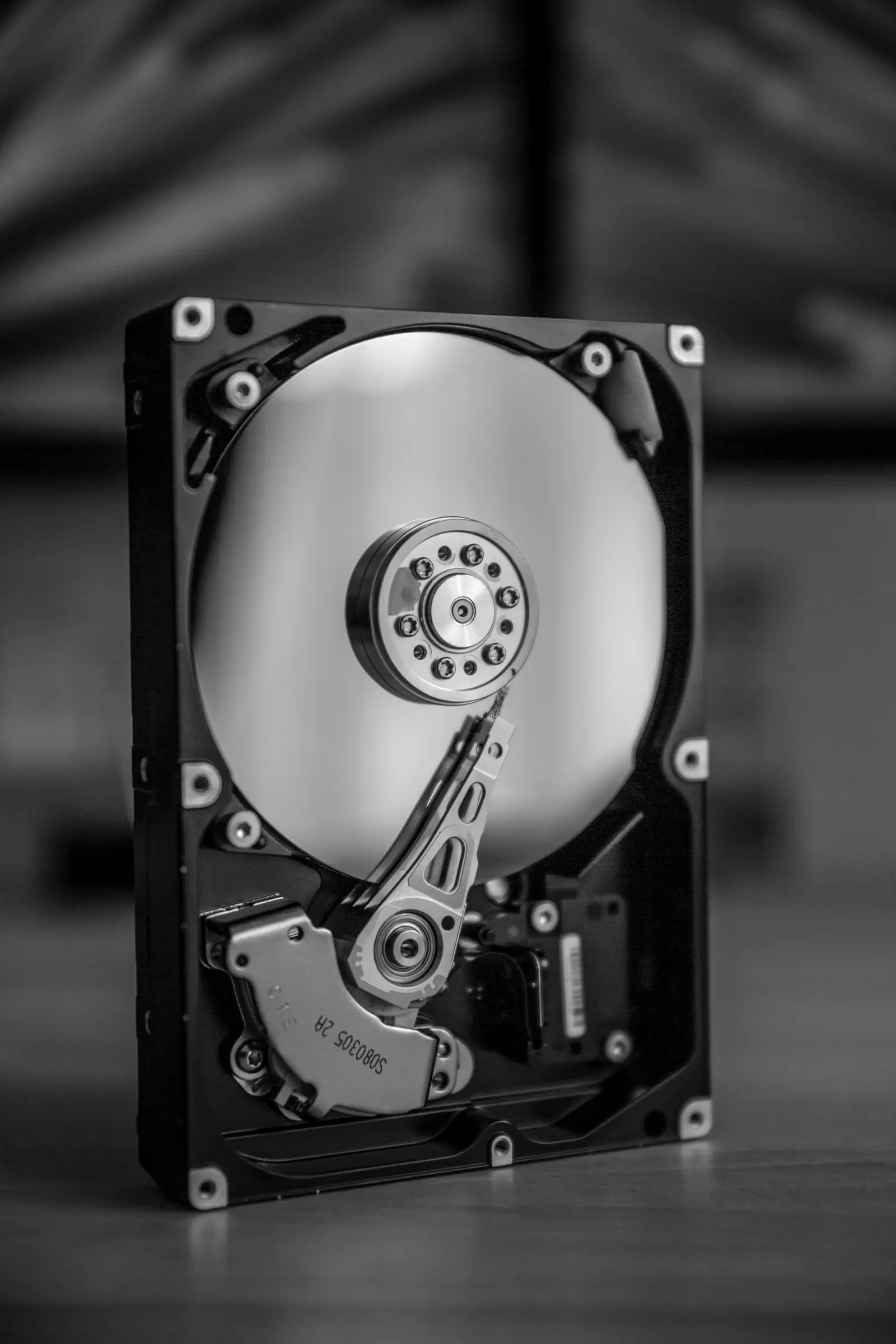
What belongs in the conversation.
Describe what you have. Flag what needs a closer look.
Hard drives & solid-state storage
Server and storage-array media
Removable drives & backup media
Embedded storage in business equipment
The right next step.
Not an assumption.
Media-specific processing requirements, verification, and a clear destruction record.
Use the planning guide ↗Identify the media, including what is hidden
Printers, network appliances, instruments, and embedded systems may contain storage. List what you know and flag unknowns for review. A chassis count is not always a media count.
Choose a path your security team can approve
Reuse may call for an appropriate sanitization technique; other projects require physical destruction. The decision depends on the device, sensitivity, condition, and required outcome. Confirm the actual technique rather than relying on a generic “wipe” or shred description.
Separate on-site and witnessing requirements
Tell us if media must remain at your premises until processing is complete, or if a witness must observe the work. Location, equipment suitability, access, and the witness record must be agreed before scheduling.
Review the evidence before you sign off
Specify identifiers, method, date, outcome, responsible party, and how failures are recorded. A sample certificate helps define the format; the final report needs to reconcile to the actual media released.
Reference: NIST SP 800-88 Rev. 2. This overview is not a device-specific sanitization procedure.
A useful brief.
A clearer quote.
Rough quantities are welcome. You do not need to solve every detail before asking.
- Media type, count, and condition
- Required on-site or witnessed processing
- Approved policy or review contact
- Inventory identifiers and reporting needs
HIPAA, FACTA & GLBA-compliant information disposal. Confirm the applicable scope and records for your project.
Review the standards & documentation ↗Before you get started.
Is there one required shred size for every device?
Is paper shredding the same service?
Data Sanitization & Destruction
Job IB-26418
Issued 18 Sep 2026
- Customer
- Specimen Health Partners
- Collected
- 11 Sep 2026 · Seal 0048812
- Document
- Illustrative specimen only
- Devices
- 412 · 488 media
- Purged & verified
- 297 media
- Destroyed
- 191 media · 2 mm
| Serial | Asset tag | Media | Method | Result |
|---|---|---|---|---|
| 5CG3-41KQ | SHP-00913 | SSD 512 GB | Purge · crypto erase | Verified |
| WX72-A1D9 | SHP-01144 | SAS 2.4 TB | Destroy · shred | 2 mm |
| S6B9-NF0R | SHP-01145 | NVMe 1.92 TB | Destroy · disintegrate | 2 mm |
| PF3Z-8M2L | SHP-00277 | SSD 256 GB | Purge · crypto erase | Verified |
| ZA1K-77TQ | SHP-02031 | HDD 1 TB | Clear · overwrite | Verified |
| 9QK2-H4XE | — | MFP HDD 320 GB | Destroy · shred | 2 mm |
Specimen — not a real customer or transaction. Page 1 of 9.
Understand the record.
This clearly labeled specimen explains the fields to discuss. It is not evidence of a completed customer project.
Explore sample reportingRelated services.
Explore the full offering ↗Document shredding
One-time records purges, recurring confidential-paper programs, and closeout requirements.
Explore serviceIT asset disposition
Business technology retirement, reuse assessment, and asset-level reconciliation.
Explore serviceContainers & recurring programs
Collection-point and service-cadence planning for recurring metal, electronics, or paper.
Explore service