Healthcare & life sciences
Equipment can carry sensitive information well beyond the obvious computers. Build the scope with IT, facilities, security, and the responsible records owner.
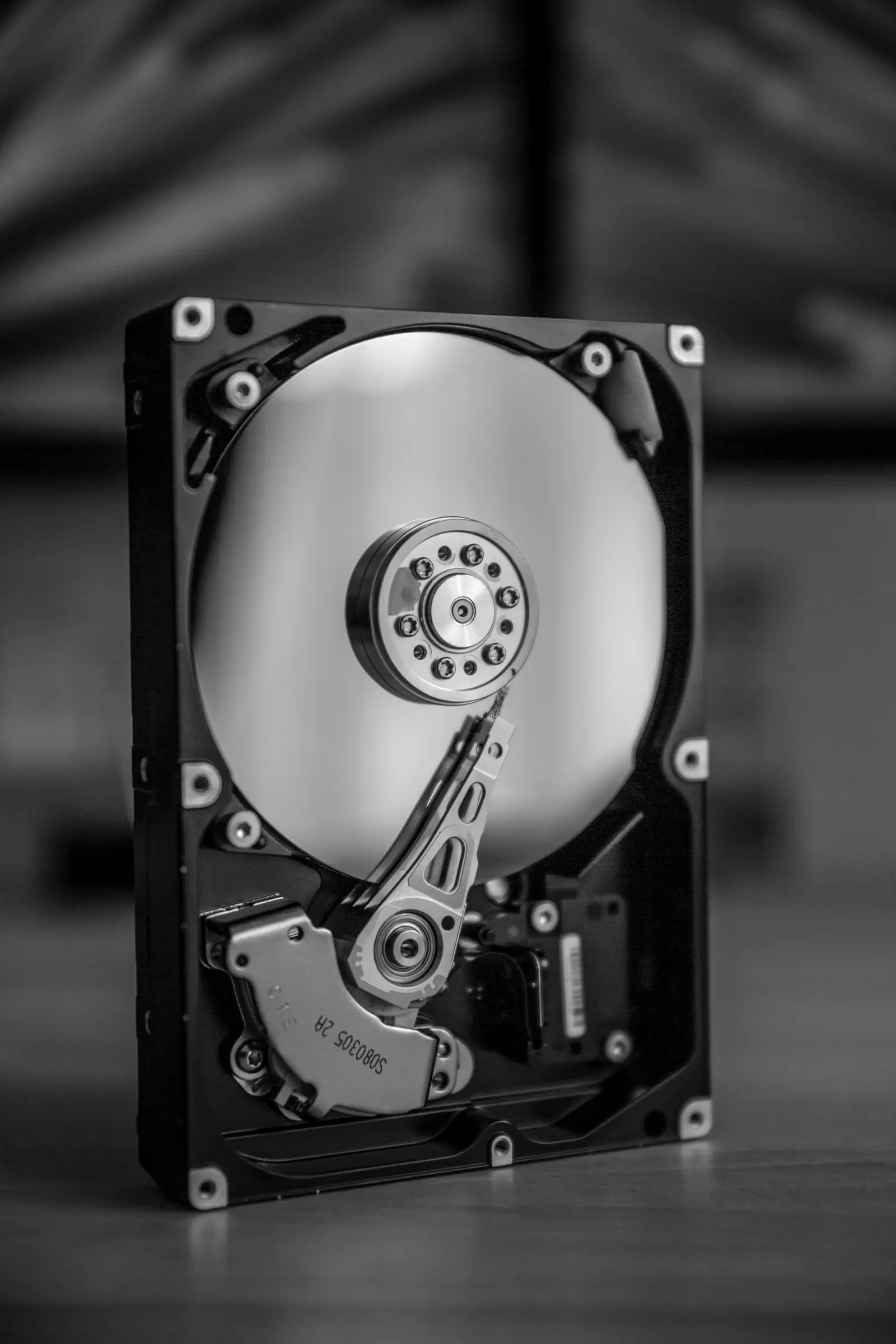
Hidden storage and specialized equipment
Identify embedded media, instruments, and unusual equipment. Flag any contamination or specialist release requirements before review.
Retention and release decisions
The authorized internal owner should approve disposal and any required agreement before records or equipment are released.
Access that fits the site
Specify escorts, clinical or laboratory access controls, collection windows, and the person authorized to sign.
Describe categories and requirements without uploading patient records, research data, or sensitive documents.
Plan your vendor review- Workstations & laptops
- Lab and diagnostic equipment for review
- Printers & embedded storage
- Servers & backup media
- Confidential paper records
Six decisions.
A plan for your project.
Identify
List material or equipment, quantity, condition, location, and unknowns.
Approve
Confirm who can authorize release, sale, data processing, or records disposal.
Scope
Agree on acceptance, responsibilities, logistics, reporting, and commercial terms.
Handover
Confirm the destination, collection or delivery plan, and signed record.
Process
Keep material streams and any data-handling requirements identifiable.
Reconcile
Review the agreed records and resolve exceptions before closeout.
Retiring equipment in healthcare?
Tell us what is coming out and who needs the paperwork. Include any internal approvals, security requirements, and site constraints.